

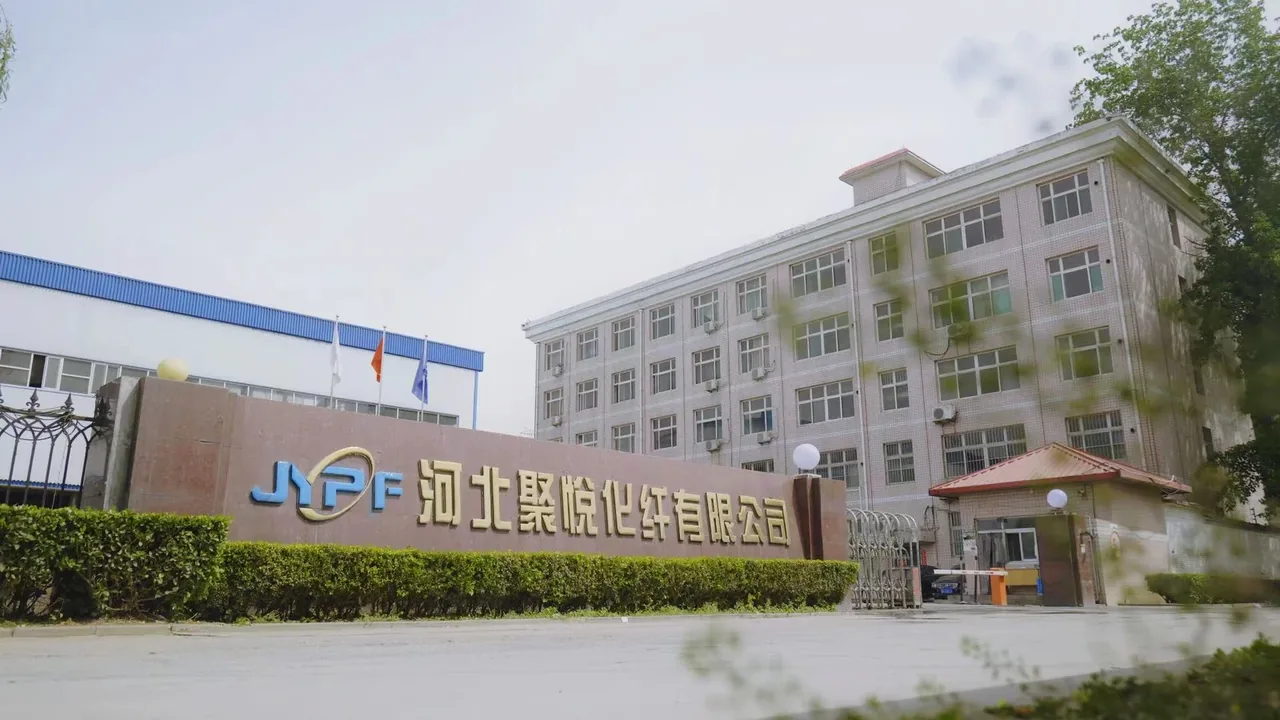
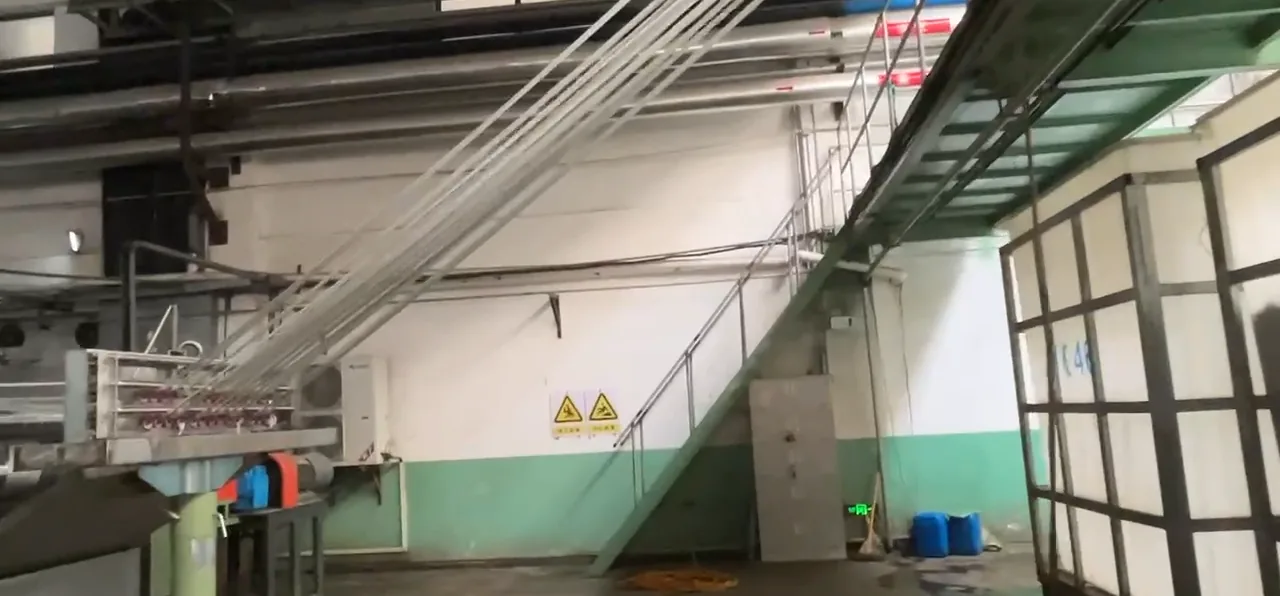
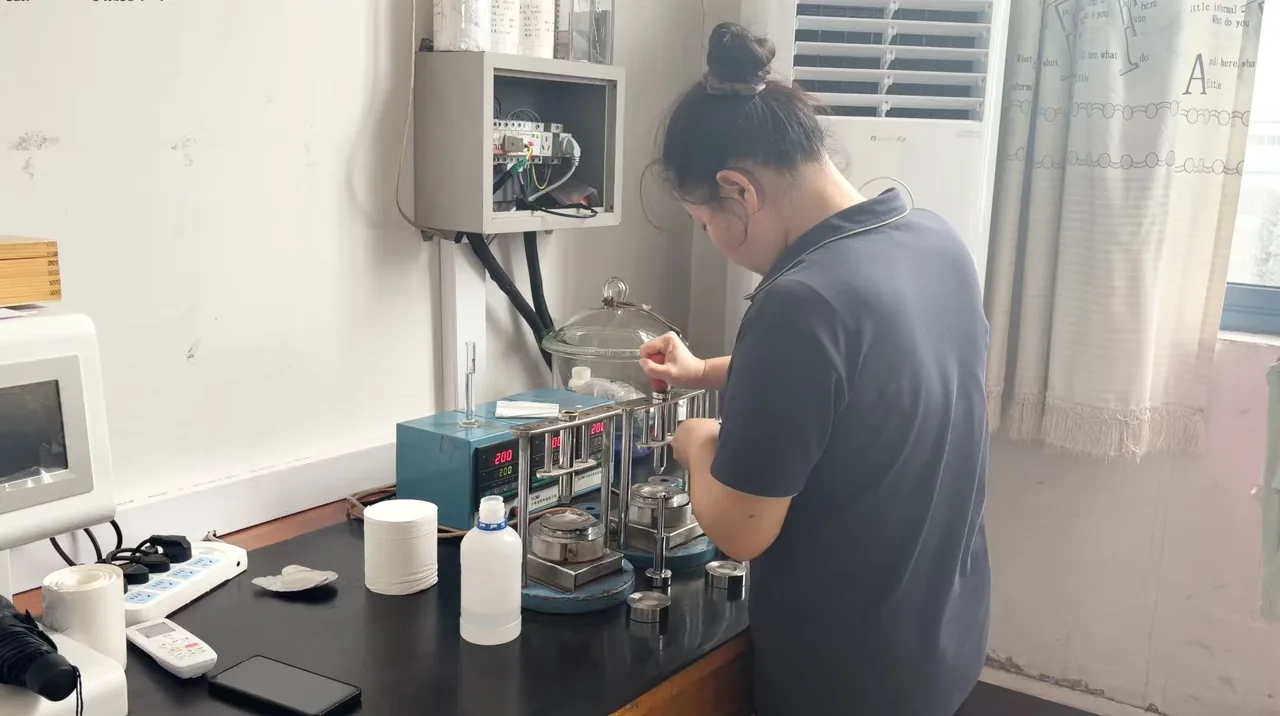
Factory Support for Virgin Polyester Staple Fiber Projects
Three-Factory Coordination
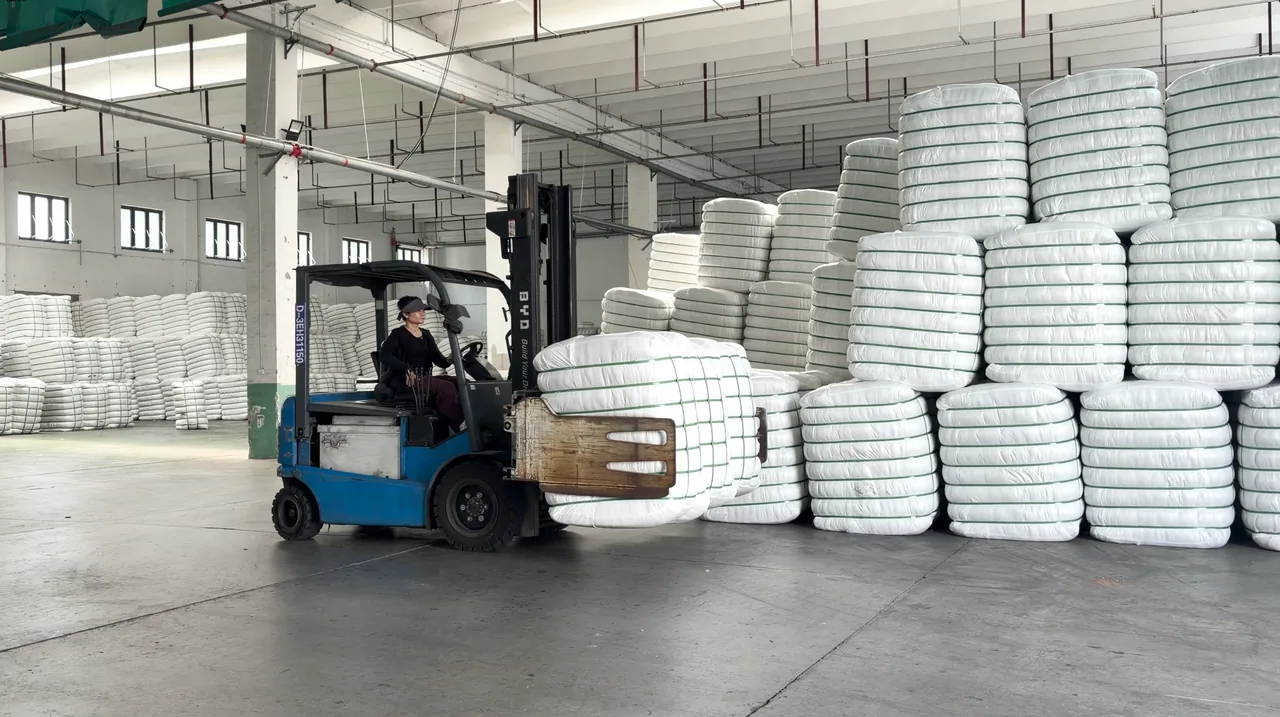
Weihigh's marketing center works with three production factories across the company's polyester staple fiber portfolio. For this category, the team connects the selected porous-fiber or spunlace route, structure, finish and order requirements with the relevant production and quality records.
Process and Surface-Finish Control
Company fiber operations include drying and continuous melt filtration, while the product brief keeps filling and spunlace questions separate. For the porous-fiber route, confirm the porous structure and available siliconized or non-siliconized finish. For the two spunlace routes, confirm each offered grade and surface finish against the actual spunlace process and its own product information.
Batch Quality and Delivery Records
Weihigh provides a corresponding COA factory inspection report with each batch, and batch identification supports receiving and later review. New projects use samples on the buyer's equipment before pilot or first-production confirmation. Packing and commercial terms remain those confirmed for the selected product and order.
Share the intended application, production process, selected product route, specification fields and sample plan. Weihigh can then confirm the current product information, available order combination and quotation inputs for the project.
Virgin Polyester Staple Fiber Product Range


Confirm Product-Specific Specifications Before Sampling
Use the selected product path as the source for its denier or linear density, cut length, structure, surface finish, color, packing direction and order documents. Keep the original unit and confirm the available combination before sampling.
- Virgin Porous Fiber
- Virgin Spunlace Polyester Fiber
- Virgin Polyester Staple for Spunlaced Nonwovens
- Sample, Production and RFQ Confirmation
Virgin Porous Fiber: The “Air Ninja” in the Fiber World is the current hollow, multi-porous route made from 100% virgin polyester (PET). The product page lists separate 3D, 6D, 7D and 15D options; 32 mm, 51 mm and 64 mm length options; siliconized or non-siliconized choices; white or request-based colors; and PP woven or customized packaging directions.
List the intended denier, length, finish, color and packaging combination with the application, process and reference target so its current availability can be confirmed for the project.
Virgin spunlace polyester fiber, your best choice is a current route for buyers evaluating virgin polyester fiber for spunlace. Provide the actual nonwoven process, equipment context, finished-product requirement and reference sample or acceptance criteria.
Confirm this spunlace route's grade, dimensions and offered surface finish against its own product information and the actual project requirements.
Virgin polyester staple for spunlaced nonwovens is the second current route associated with spunlaced nonwovens. Its product description lists 1.4D × 38 mm or 1.56 dtex × 38 mm.
Name this product in the inquiry and preserve the selected option's listed unit. Compare the two spunlace entries against the same process and finished-product brief rather than choosing by title alone.
Run the candidate under conditions that represent the intended equipment, blend, process and finished product. Record the sample and batch identity, relevant operating conditions, processing observations and agreed output checks. Compare the result with the approved reference before release, hold, another sample or a different product decision.
The RFQ should identify the intended application and process, current material or blend, exact product route, required specification fields and original units, finished-product goals, sample need, order quantity, packaging, labels, destination, delivery request and applicable product-specific documents. Sample terms, minimum quantity, price, availability and timing remain live-quotation items.
How the Virgin PSF Range Supports Product Qualification
Separate Product Routes
Porous-fiber and spunlace-oriented inquiries stay attached to their current product entries, keeping each route's dimensions and finish with the relevant product information.
Product-Specific Specification Review
The inquiry can preserve the original unit, named structure, finish, color and packing fields from the selected product while comparing the three entries on their own terms.
Representative Process Evidence
Samples are evaluated in the buyer's intended equipment, blend, process and finished product before a route moves toward a larger order.
Batch and Document Correspondence
Each batch is supplied with its corresponding COA factory inspection report, and the batch identity can be carried into receiving and change-review records.
Order-Specific Sampling and Supply Confirmation
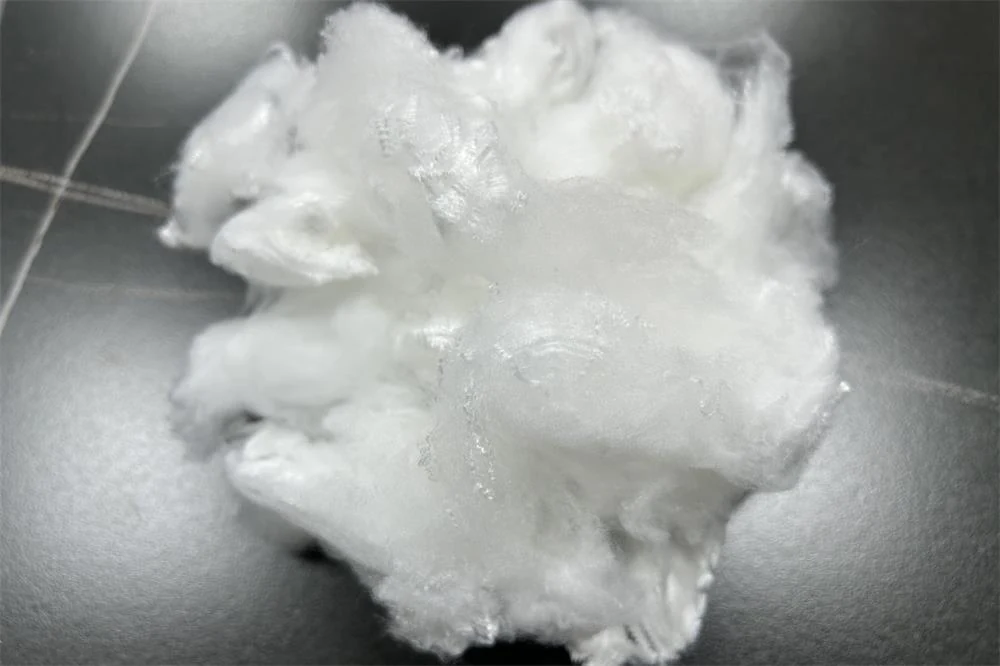
Virgin Polyester Staple Fiber Applications
-
Virgin Porous Fiber for Filling and Furniture
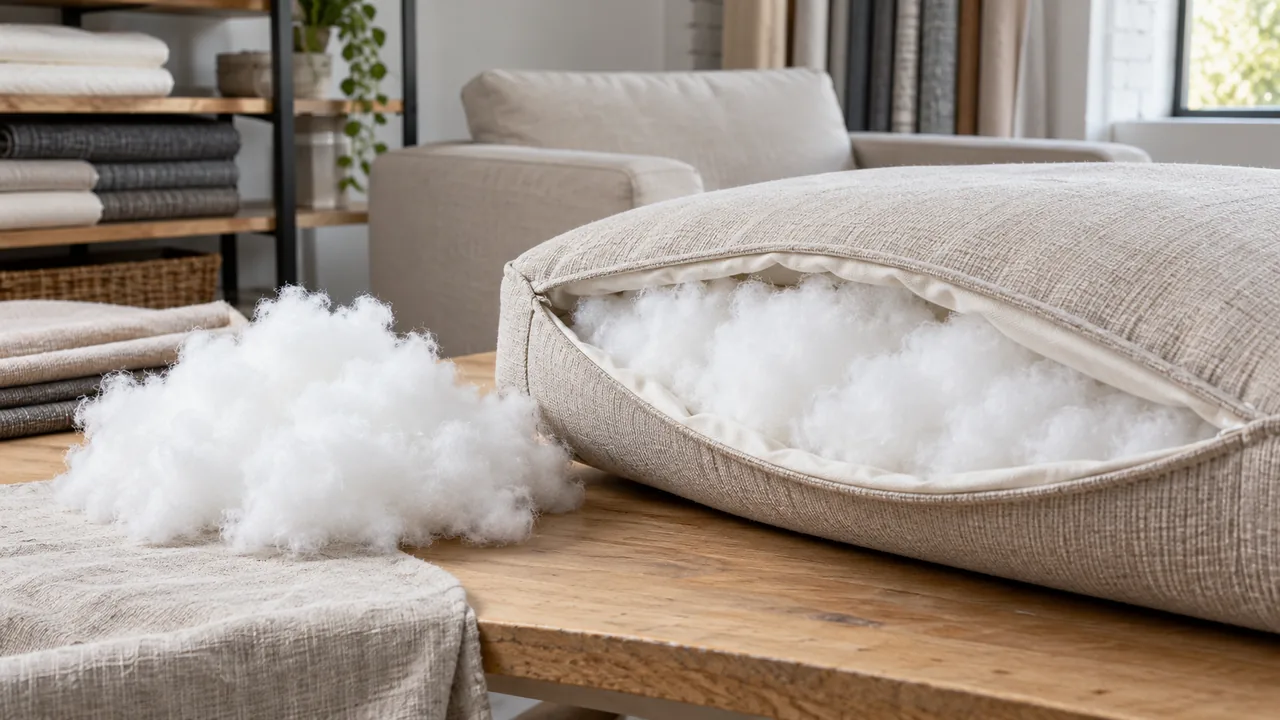
For bedding and upholstered-furniture teams, purchasing, production and QC need to judge the fiber route against the actual opening and filling process—not the application label alone. State where clumping, uneven fill, difficult handling, or a mismatch in hand or support appears, then provide the intended structure, finish, color, conversion process and reference article. Run a representative sample through the actual process and compare fill distribution, hand, support and finished-article checks with the agreed reference before ordering.
send an immediate inquiry -
Virgin Porous Fiber for Filtration and Acoustic Materials
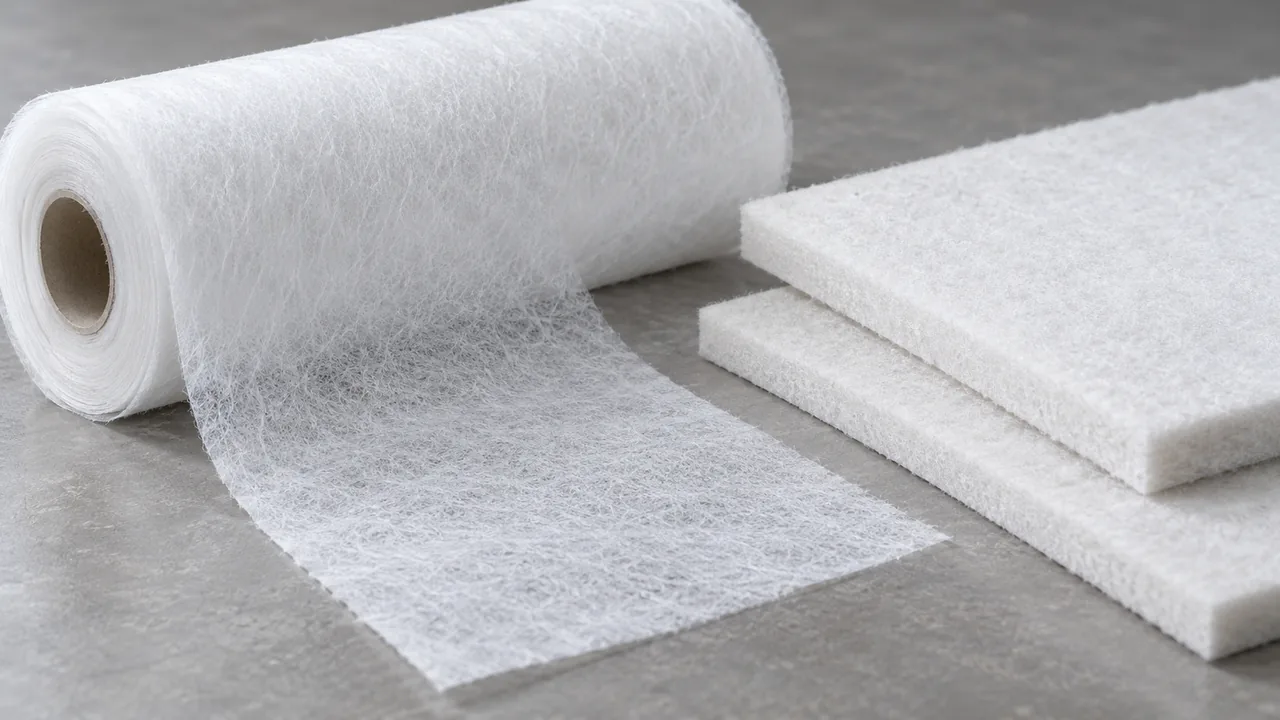
For filtration and acoustic-material converters, as well as garment-material developers, a broad application label does not establish fit for the actual construction or conversion process. Product, technical, purchasing and QC teams should define the structure, process conditions, handling requirements, reference requirement and finished-material checks. Review a representative sample in the intended construction and use the buyer's project criteria to judge filtration, acoustic or garment performance.
send an immediate inquiry -
Virgin Polyester Fiber for Spunlace Wipes and Hygiene Materials
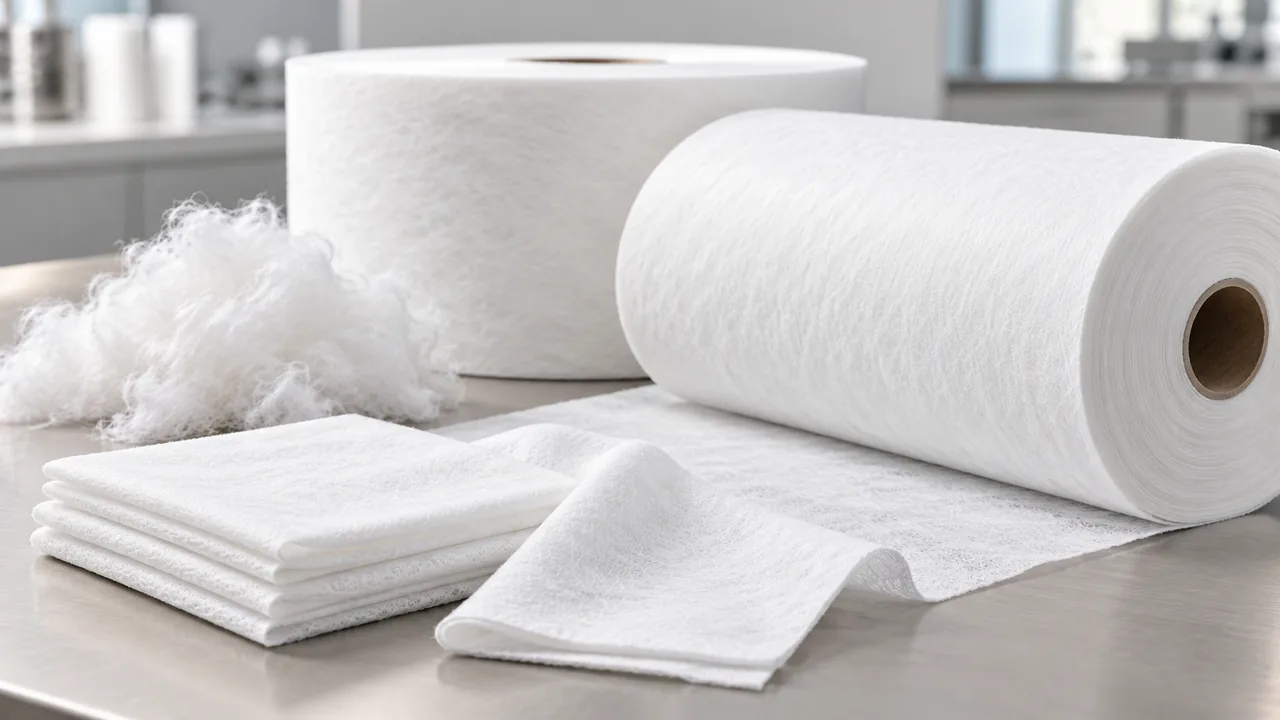
Spunlace nonwoven manufacturers developing wipes or hygiene materials often need technical, purchasing and QC teams to review fiber fly, shedding, finish-related foaming, web formation and batch consistency together. Provide the web-forming and hydroentangling process, equipment context, blend, target basis or finished-product requirement, surface-finish needs, reference sample, acceptance method and traceability needs. Trial the two spunlace entries separately on representative material, then release only the route that meets the agreed web and finished-material checks.
send an immediate inquiry
Why Choose Weihigh for Virgin PSF Qualification
Three Current Routes, One Project Brief
Weihigh can begin with the porous-fiber route or either spunlace-oriented entry, then narrow the discussion with the buyer's application, equipment, finished-product target and reference sample.
Factory and Quality Coordination
The marketing team works with three production factories across the company's polyester staple fiber portfolio. For a Virgin PSF inquiry, the selected product, structure, finish and order requirements are matched with the appropriate production and quality records.
Representative Validation
New projects move through sample review and checks on the buyer's actual process before pilot or first-production confirmation. A change in grade, finish, color target, equipment, blend or acceptance requirement should trigger a review appropriate to that change.
Traceable Order Records
Per-batch COA and batch identification support receiving and repeat-order review. The exact fields, methods, values, packing and commercial terms remain those confirmed for the selected product and order.
A Spunlace Project That Refined the Material Brief
In one anonymous spunlace project for disposable wipes and kitchen wiping cloths, the customer was dealing with fiber fly, shedding after carding and hydroentangling, and finish-related foaming that affected spray holes and the impregnation tank. Weihigh and the customer shifted the brief toward a spunlace-specific staple fiber around 1.5D × 38 mm with a hydrophilic, low-foam, low-extractable finish, while tracking filtration pressure, web samples, dry and wet strength, shedding and foaming.
The recorded trial produced a more uniform web, reduced fly and foaming, extended the spray-hole cleaning interval, and passed the customer's trial gate for dry and wet strength and shedding before moving into mass-production evaluation. Use this company experience to frame the process questions for a new spunlace inquiry; select and validate the current product and material route for that project.
-
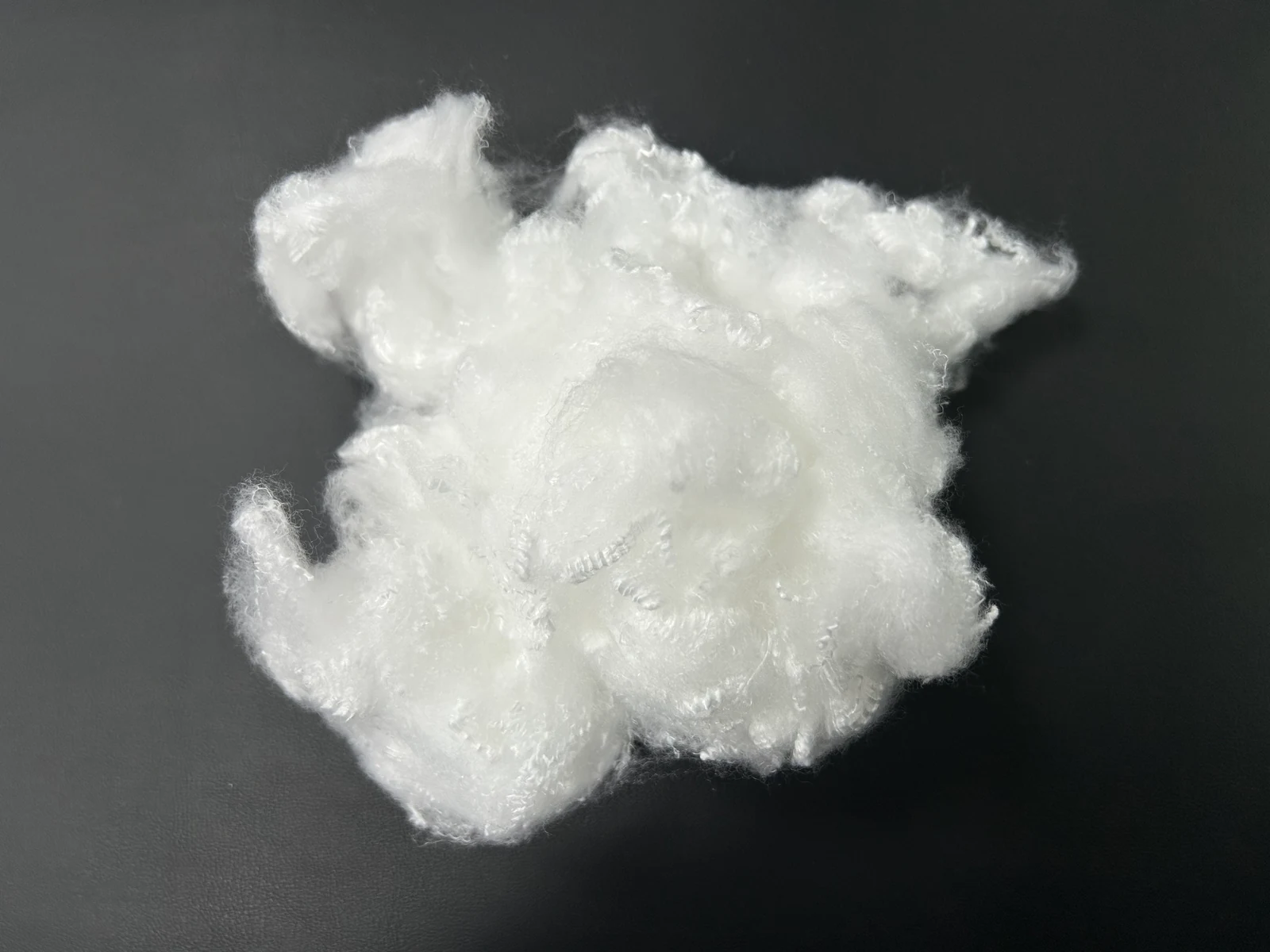 Virgin Porous Fiberview more
-
Virgin Spunlace Polyester Fiberview more
-
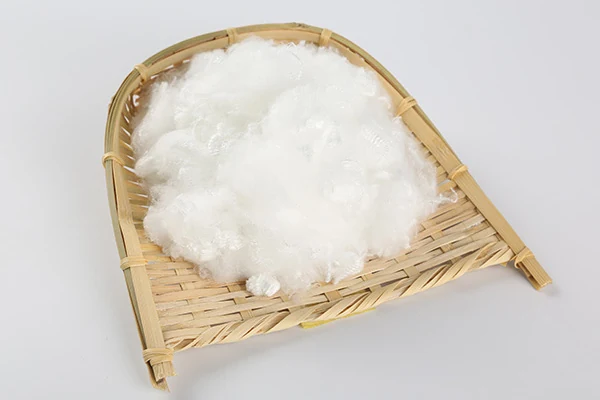 Virgin Polyester Staple for Spunlaced Nonwovensview more
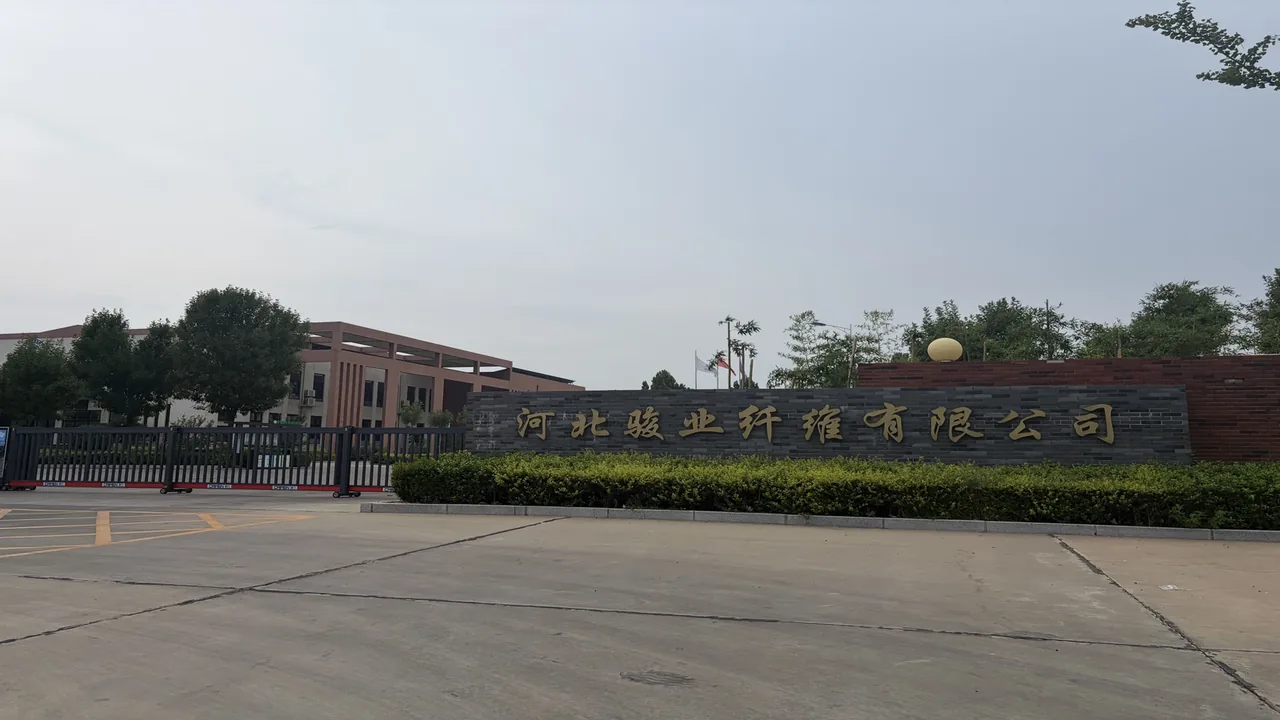
Weihigh Support for Virgin PSF Sourcing
Weihigh's marketing center works with three production factories across the company's polyester staple fiber portfolio. On this category page, that coordination is used to separate the current Virgin Porous Fiber route from the two spunlace-oriented entries and to confirm the relevant structure, finish, specification and sample path for the buyer's application.
The team connects product selection with representative customer-process checks, per-batch COA and batch traceability, while each route retains its own application, specification and finish confirmation.
Frequently Asked Questions
-
1What virgin polyester staple fiber products can I find in this category?
This category currently has three product entries: Virgin Porous Fiber, Virgin spunlace polyester fiber, and Virgin polyester staple for spunlaced nonwovens. Use the collection to identify a porous or spunlace-oriented route, then confirm the exact grade, sample, and order information on the relevant product path.
-
2Which product page should I review for porous-fiber or spunlace-nonwoven requirements?
Review Virgin Porous Fiber for a hollow, multi-porous route. For spunlace or spunlaced-nonwoven requirements, review both current spunlace-oriented product pages. Compare each route against the same application and process brief. Share the production process, equipment context, finished-product target, and any reference sample so the inquiry can be matched to the relevant product information.
-
3What application, production process, and finished-product requirements should I provide before selecting a fiber?
State the end use, production route and equipment context, current material or blend, and the finished-product characteristics that matter. Add any target weight, thickness, hand, appearance, strength, processing behavior, or reference sample that is relevant to the job. Only include criteria the project will actually use; the purpose is to connect selection to the buyer's process, not apply one checklist to every fiber.
-
4Which specifications should be confirmed before requesting a virgin polyester staple fiber sample or quotation?
Confirm the exact product; linear density or denier with its original unit; cut length; stated structure; finish or siliconization where applicable; color or whiteness; and the order's quality criteria. Virgin Porous Fiber lists 3D, 6D, 7D, and 15D plus 32 mm, 51 mm, and 64 mm as separate options, so the intended pairing still needs confirmation. Virgin polyester staple for spunlaced nonwovens lists
1.4D × 38 mm or 1.56 dtex × 38 mm. Confirm the dimensions for Virgin spunlace polyester fiber in that specific inquiry rather than borrowing either table. -
5How should a buyer verify a candidate fiber on the actual production line before a bulk order?
Use a representative sample in the intended equipment, blend, process, and finished-product route. Record the sample and batch identity, relevant operating conditions, processing observations, and agreed output checks. Compare the result with the approved reference and acceptance criteria. The buyer's production and quality teams can then release the route, hold it for clarification, request another sample, or assess a different product.
-
6How should the approved sample define color or whiteness, hand feel, appearance, and batch consistency?
Keep an identified reference sample and record how each characteristic will be judged. Color or whiteness may need an agreed visual reference or measurement method; hand feel and smoothness need a common comparison condition; appearance should identify unacceptable hard fibers or visible defects. Tie later batches to that reference, the agreed method, and any project-specific tolerance instead of relying on adjectives alone.
-
7Which product-specific quality and shipment documents should be requested for a virgin polyester staple fiber order?
Start with the decision the document must support, then request the applicable file for the exact product and order. Depending on the project, that may include a technical specification, batch-quality information, SDS where relevant, test or compliance evidence, packing details, labels, and shipment documents. Confirm the issuing entity, covered product or batch, scope, version, and validity. A category page or a generic certificate name cannot establish that coverage.
-
8What sample, packaging, quantity, and delivery details need to be confirmed in the RFQ?
State the sample format or quantity needed for evaluation, quotation quantity and unit, packaging and label requirements, destination, and requested delivery arrangement. Virgin Porous Fiber lists PP woven or customized packaging directions, but the final pack format remains order-specific. Confirm price, minimum quantity, availability, sample terms, and timing in the live quotation.
-
9When is virgin polyester staple fiber a more suitable sourcing starting point than recycled polyester staple fiber?
Start with this virgin PSF category when the project explicitly requires a virgin material route and one of the current product paths matches the application under review. Do not treat “virgin” as an automatic claim of better environmental, safety, purity, or processing performance. Compare the exact product, sample evidence, process response, documents, and order requirements; route a broader virgin-versus-recycled comparison to a separate sourcing decision.