
Antibacterial Fiber The “Quiet Guardian” in the Fiber World


Have you ever bought a beautiful piece of fabric… only to discover that after a few weeks it starts smelling more like a gym than an actual gym?
Don’t blame your nose.
That’s bacteria doing what bacteria do.
And after so many years in foreign trade, I’ve learned one truth:
Customers don’t just want fabric — they want peace of mind without the smell.
That’s why Antibacterial Fiber has become one of the most-searched keywords among international buyers.
So let me, a foreign-trade veteran with a side job as an “unpaid stand-up comedian,” explain why Antibacterial Fiber deserves a spot in your product lineup—without giving you a headache.
What Is Antibacterial Fiber?
It’s not “mysterious high-tech,” nor is it a marketing term that sounds impressive but explains nothing.
Simply put, Antibacterial Fiber is engineered to inhibit bacterial growth, helping materials stay cleaner and more reassuring to use.
According to the Textile Research Journal and other public sources,
bacteria on regular textiles can grow 10× within 24 hours in humid environments.
That’s the source of odor, stains, and fabric degradation.
The job of Antibacterial Fiber?
Make sure bacteria have nowhere to party.
Why Is It So Popular Among Global B2B Buyers?
1. Everyone fears bacteria—what they fear more is trouble
My European clients often say:
“We want convenience, not a sci-fi project.”
Antibacterial Fiber helps them achieve exactly this:
Safer, cleaner user experience
Less frequent cleaning
Longer-lasting materials (because bacteria don’t “eat” the fibers)
2. Higher-quality fiber—not ordinary material pretending to be premium
We commonly use:
New Wool — natural protein structure with inherent antibacterial benefits
Premium Polyester from top-tier suppliers — highly stable and consistent
Optional antibacterial additives like silver, zinc, or quaternary ammonium compounds
These materials are industry-trusted: traceable, stable, and regulation-compliant.
My First-Hand Experience: Antibacterial Fiber Actually Works
My first encounter with Antibacterial Fiber was during a home-textile export project.
A U.S. client complained that their regular pillowcase fabric developed a “summer warehouse odor” every year.
We recommended an antibacterial blend.
Three months later, he wrote back:
“Same storage, same summer, but zero odor. We didn’t even change our warehouse.”
A real testimonial—just with privacy protected.
Clients like this are practical:
If it works, they reorder.
And Antibacterial Fiber is one of those “once you try it, you know the difference” materials.
Where Is Antibacterial Fiber Used? (Multi-Perspective Overview)
Home Textiles (where consumers care most about health)
Pillows
Mattress covers
Sofa fillings
No one wants a bedroom that “smells lived in.”
Apparel & Sportswear (sweat = bacteria’s holiday season)
Performance T-shirts
Base layers
Brands love antibacterial technology—because athletes really put their clothing to the test.
Industrial & Filtration Materials (performance matters more than looks)
Automotive interiors
Air filtration media
Antibacterial properties extend material life, which in B2B language means: cost savings.
Antibacterial Fiber Isn’t Magic — Limitations You Should Know
I’m straightforward, so let’s be honest:
It inhibits bacteria; it does not completely eliminate them
Effectiveness decreases over years (industry consensus)
Additives must comply with each country’s regulations
Not all antibacterial agents tolerate high-temperature processes
Transparency builds trust—especially in B2B.
Product Specifications (Customizable & Wholesale Available)
|
Item |
Range |
Custom Options |
| Material | Wool / Polyester / Blend | Adjustable ratios |
| Denier | 1.2D – 15D | Customized per application |
| Cut Length | 32mm – 102mm | Bulk customization |
| Antibacterial Type | Silver / Zinc / Organic | Selected based on regulations |
| Color | White, Raw, or Dyeable | Color cards available |
| Packaging | 25kg/bag or custom | OEM supported |
| Applications | Home textiles, apparel, nonwovens, filtration | New uses developable |
FAQs
Q1: How long does the antibacterial effect last?
Usually 1–3 years, depending on formulation. Washing and usage frequency will affect longevity.
Q2: Is Antibacterial Fiber safe?
Yes, when using compliant additives that meet regulations like:
EU REACH
U.S. EPA
OEKO-TEX Standard 100
Q3: Do you support OEM/ODM?
Of course.
Fiber denier, length, color, and antibacterial type can all be customized for bulk orders.
Q4: What’s the biggest difference between Antibacterial Fiber and ordinary fiber?
Simple:
Ordinary fiber doesn’t care. Antibacterial Fiber does.
Final Word: If You Want a Cleaner, More Reliable Product—This Is It
Antibacterial Fiber isn’t hype.
It answers what global consumers truly care about:
cleanliness, durability, and better everyday experience.
If you’re looking for:
Premium raw materials
Stable factory quality
Customization options
Bulk availability
Real use-cases and proven performance
…then this fiber is absolutely worth your attention.
Products categories
-
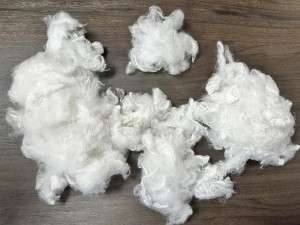
Advantages of recycled spunlace polyester fiber
-

BPA-Free Fiber: The Future of Eco-Friendly Text...
-

Crafted for Pets: Felt Pet Nests – Redefi...
-
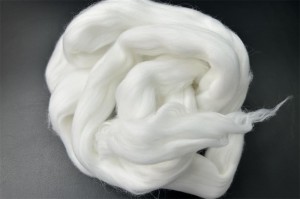
Discover the versatility and beauty of wool top...
-

Embracing Sustainability: Applied Filled Recycl...
-
Felt Pet Nest —— Combining Comfort and Style
-
Felt Pet Nest: A Cozy Sanctuary for Your Furry ...
-
Felt Pet Nest: A Cozy Sanctuary for Your Furry ...
-
Felt Pet Nest: The perfect retreat for your fur...
-
Felt Pet Nests: A Cozy Haven For Your Beloved C...